6 inches to the floor
Part II
Water at the floor
Water at the floor is where a slab house and a raised house part ways. On a slab, an inch over the threshold is an inch in every room, and the lowest drains in the house are the first place sewage can come up. On piers, the floor may stay dry while the pipes underneath sit in the water.
These six chapters explain why drains back up when the streets flood, what a backwater valve does, how the two kinds of house behave, when it is safe to shut things off, and why floodwater is treated as sewage.
 Chapter 9Why drains back up when the streets floodWhy does sewage come up my drains when the streets flood?
Drains back up when the streets flood because the public sewer fills with rain and river water, and the overflow finds the lowest open drain, often a shower or floor drain on a slab house.
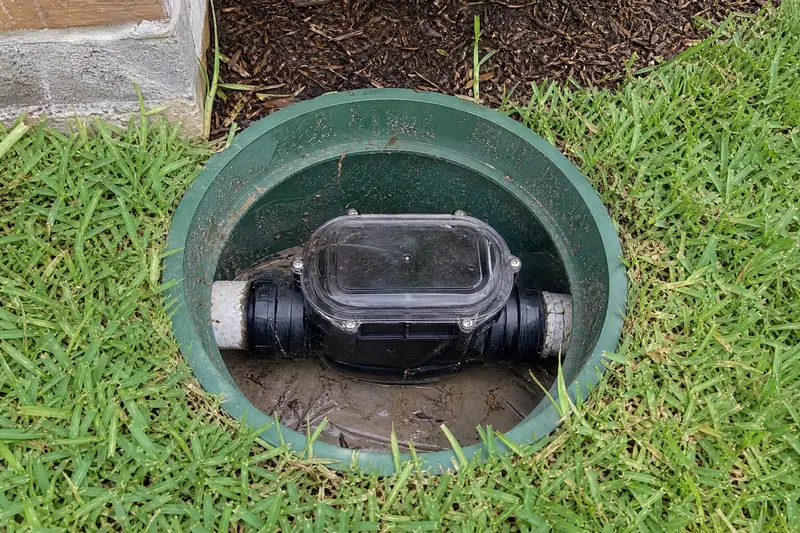 Chapter 10Backwater valves and cleanoutsWill a backwater valve keep sewage out of my house in a flood?
A backwater valve is a one-way gate on your house sewer line that lets waste flow out and closes when a full public sewer pushes back, which lowers the chance of sewage rising through your drains.
 Chapter 11Slab houses when water reaches the floorWhat happens to the plumbing in my slab house when water comes inside?
In a slab house, floodwater at the floor reaches the lowest plumbing first: floor drains, the water heater, the washer and anything plugged in near the ground, while pipes in the slab sit below it all.
 Chapter 12Raised and pier-and-beam housesWhat happens to the pipes under my raised house when floodwater gets under it?
Pier-and-beam and raised houses lift the living floor above shallow water, but the supply lines, drain pipes, insulation and any equipment underneath sit in the flood and need checking before anyone crawls under.
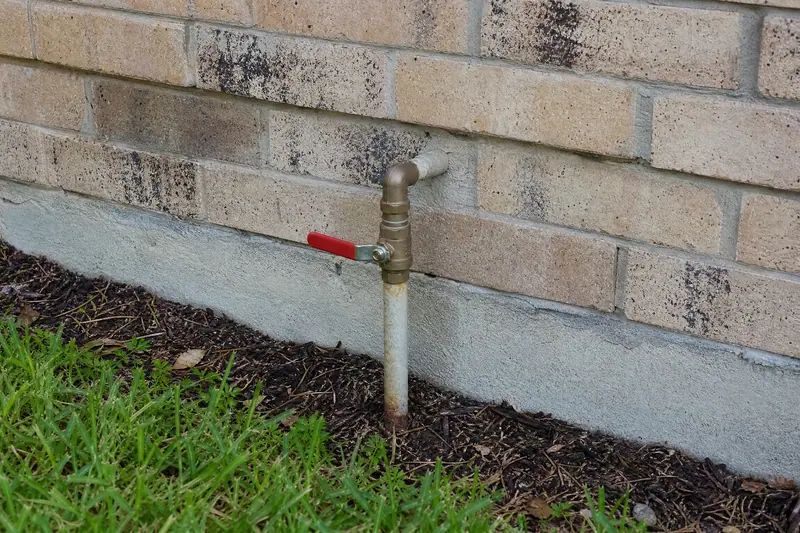 Chapter 13Shutting off water, power and gas as water comesShould I turn off my water, electricity and gas before floodwater gets in?
Shutting off utilities before a flood means closing your own water valve, cutting electricity only if the panel is dry and safe to reach, and leaving gas to CenterPoint Energy, your propane supplier or the fire department.
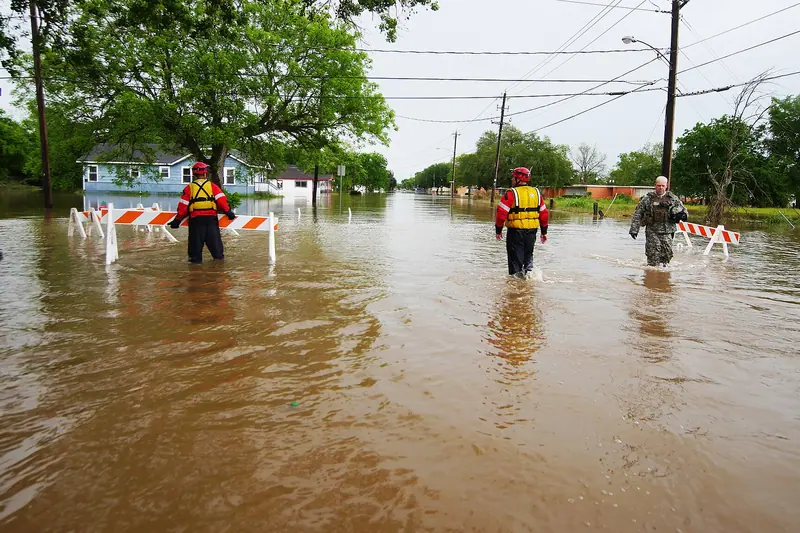 Chapter 14Floodwater in the house: what it carriesIs the floodwater in my house dangerous to touch or walk through?
Floodwater in the house is dangerous because it can carry sewage, household and farm chemicals, germs, debris and animals, and it can be electrified, so the safest plan is to stay out of it.