Falling water
Part IV
After the water goes down
When the water goes down, the work changes from keeping water out to making the water you use safe again. City customers wait for the utility to say the tap water is fine; well owners need a disinfected well and a clean lab test before they drink from it.
These eight chapters cover tap water after a flood, disinfecting and testing a flooded well, what not to do with a flooded septic system, cleaning fixtures and drains, flood insurance for plumbing damage, hiring a licensed plumber, and who fixes which pipe.
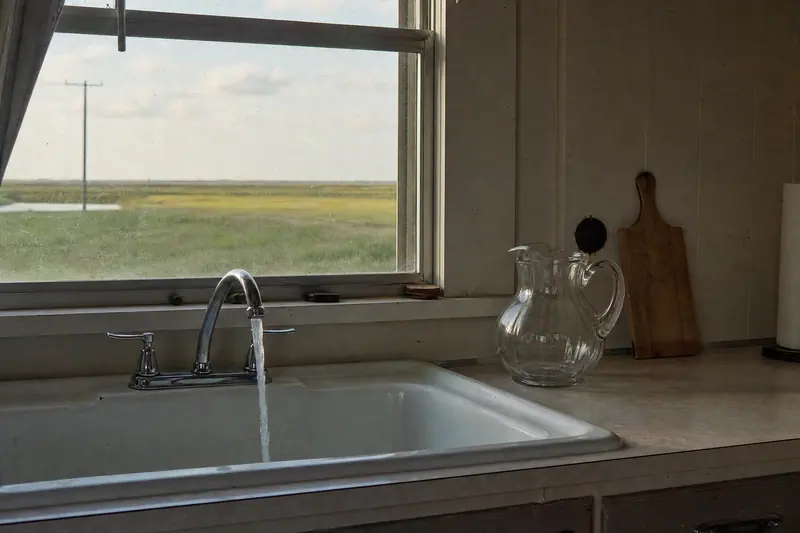 Chapter 20Is the tap water safe after a flood?Is it safe to drink the water from my tap now that the flood has gone down?
Tap water after a flood is safe to drink only when your water system says so: on city or district water, follow its notice and TCEQ's rules; on a private well, wait for disinfection and a clear lab test.
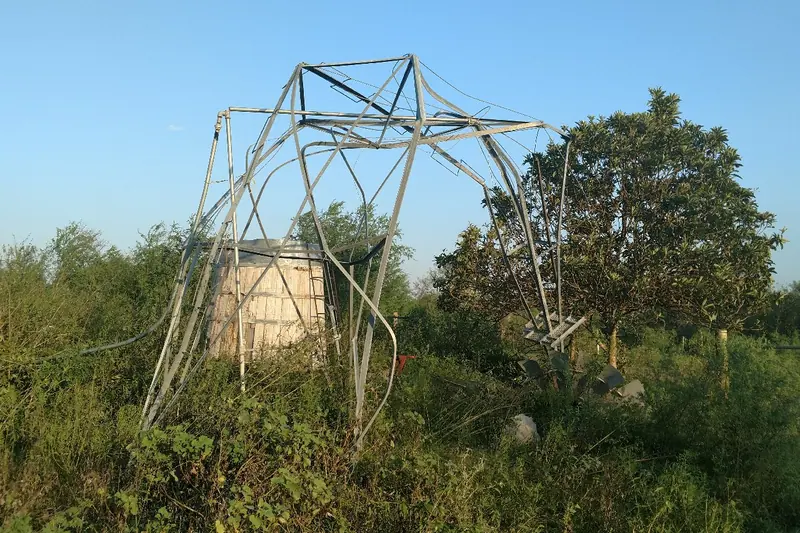 Chapter 21Disinfecting a flooded wellHow do I get my well water safe to drink again after the flood covered it?
Disinfecting a flooded well is done by shock chlorination, and Texas A&M AgriLife strongly recommends a licensed water well driller do it; your part is staying clear, using safe water and getting a lab test afterward.
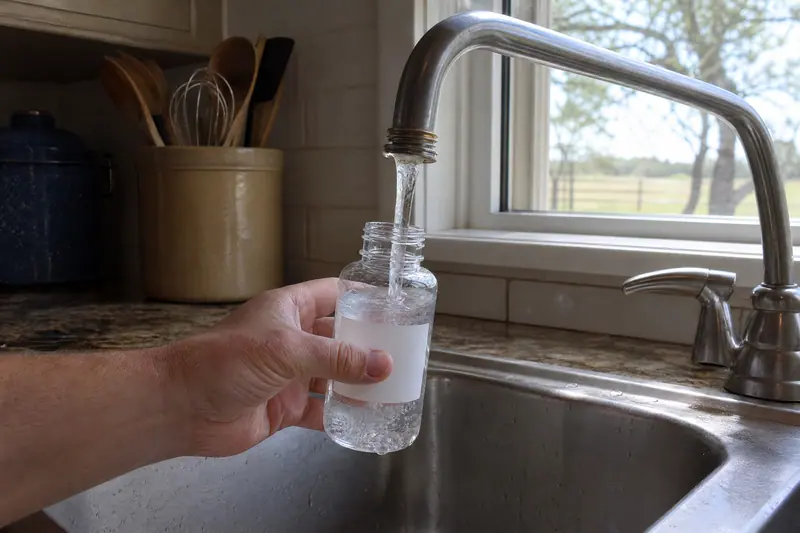 Chapter 22Testing well water after a floodWhen and how should I test my well water after a flood, and for what?
Testing well water after a flood means a bacteria test by a TCEQ-accredited lab, taken 7 to 10 days after the well is disinfected, followed by repeat tests over the next months before you trust the water again.
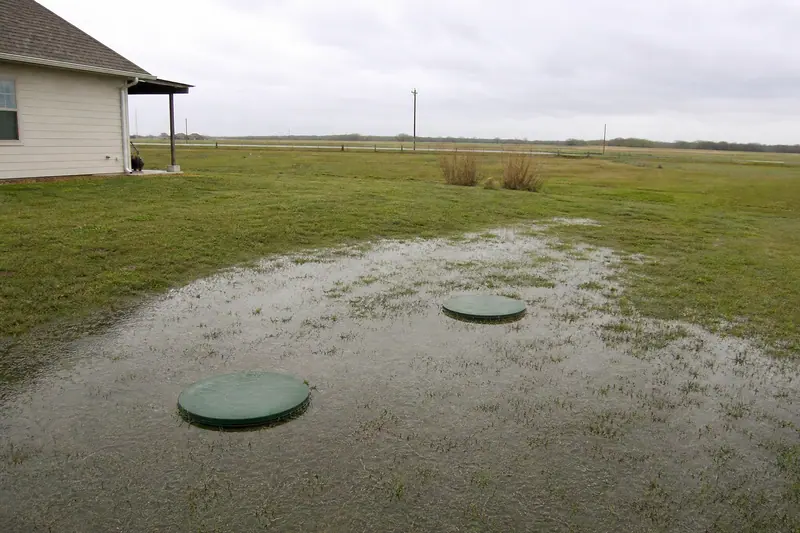 Chapter 23A flooded septic system: what not to doWhat should I do, and not do, with my septic system after a flood?
A flooded septic system should be used as little as possible and not pumped while the ground is soaked, because a tank emptied in saturated soil can float and break its pipes; licensed providers handle the tank and repairs.
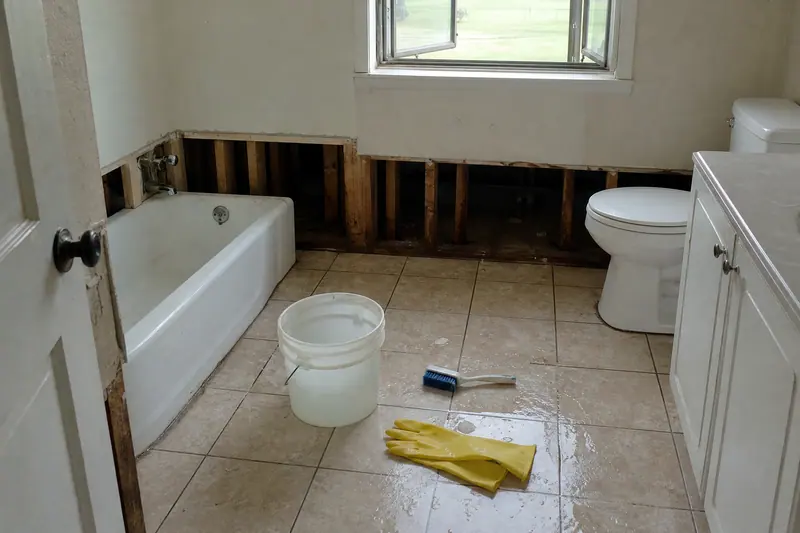 Chapter 24Cleaning sinks, tubs, toilets and drainsHow do I clean my sinks, tub and toilet after floodwater got into the house?
Cleaning sinks, tubs and toilets after a flood starts with soap and warm water, then CDC's mix of 1 cup of bleach to 5 gallons of water, with windows open, gloves on, and no other cleaner anywhere near the bleach.
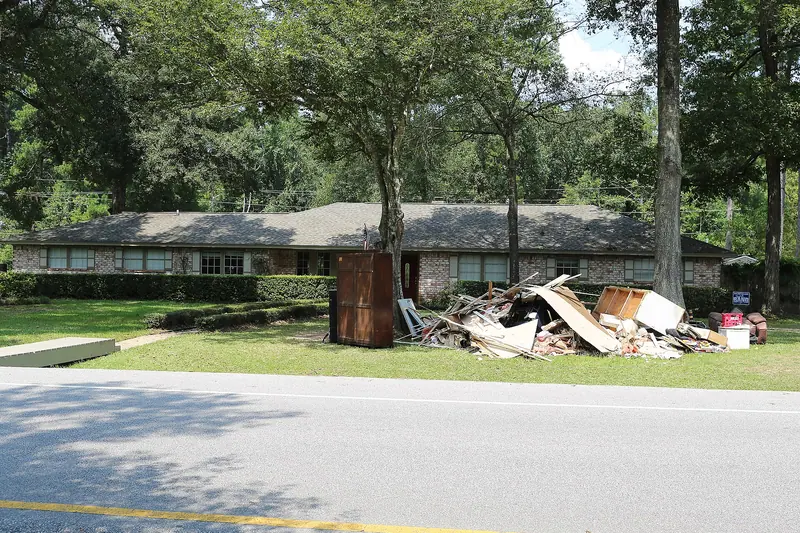 Chapter 25Flood insurance and plumbing damageWill flood insurance pay for my water heater, my pipes, my well or my septic tank?
Flood insurance through the NFIP treats water heaters, furnaces, plumbing fixtures and pumps as part of the building, but it lists wells, septic tanks and septic systems as property it does not insure.
 Chapter 26Hiring a licensed plumber after a floodHow do I find a real licensed plumber after the flood and avoid the storm chasers?
Hiring a licensed plumber after a flood starts with three checks: a state license you can look up, a repair permit from the City of Wharton or the county, and more than one written estimate.
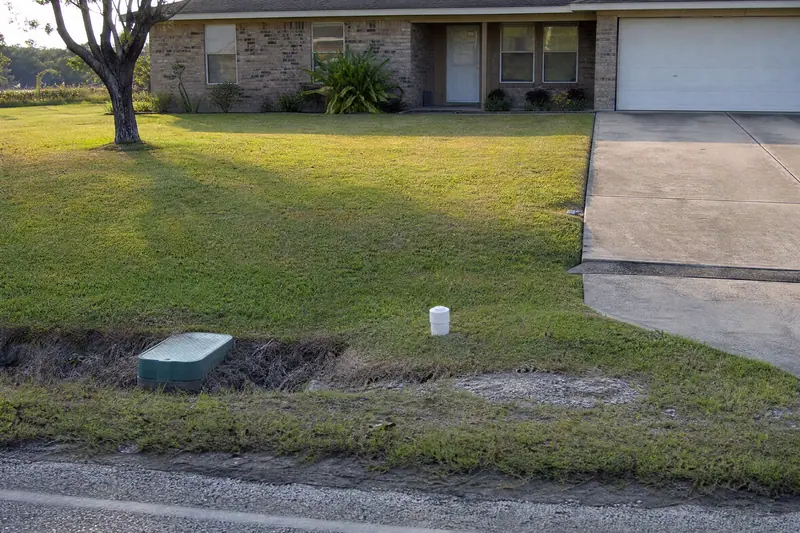 Chapter 27Who fixes which pipeIs the broken water or sewer line the city's job or mine?
Who fixes which pipe turns on the meter: the City of Wharton runs its wells, mains and sewers, its service agreement calls everything past the meter the owner's side, and rural wells and septic are the landowner's.