Dry ground
Part V
Between floods
Most years the water stays in the river. These four chapters are for those years: what Gulf Coast groundwater does to fixtures and water heaters, how summer attic heat treats pipes and tanks, what the February 2021 freeze taught about pipes built for heat, and how slab leaks show up on the county's shrink-swell clay.
 Chapter 28Hard water and iron in Gulf Coast groundwaterWhy does our well water leave scale and orange stains, and what can fix it?
Hard water and iron in Gulf Coast groundwater are nuisances rather than health limits: older USGS samples from Wharton and nearby counties mostly ran hard, while iron stayed under EPA's 0.3 mg/L guide in most tests.
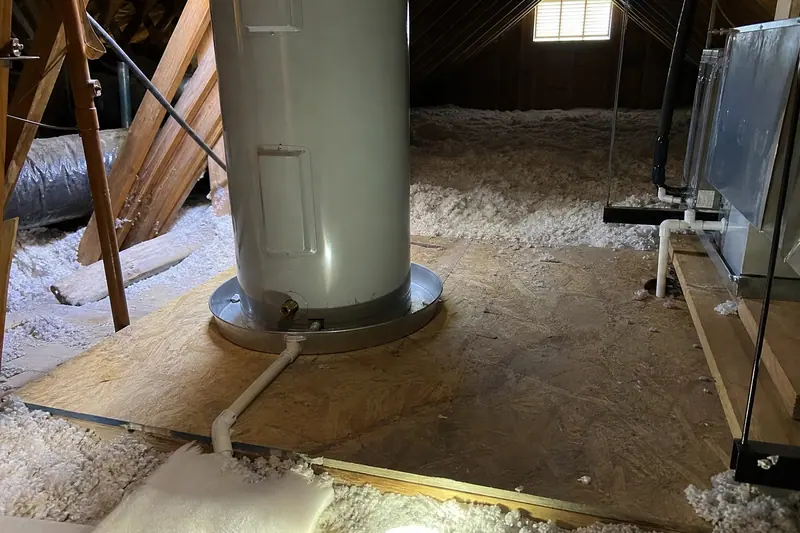 Chapter 29Gulf Coast heat on attic water heaters and pipesIs it safe to keep a water heater in a hot Texas attic, and what does it need?
Attic water heaters on the Gulf Coast need a metal drain pan piped to a real drain and venting their manual allows in high heat, because makers say every tank leaks eventually and attics run hot.
 Chapter 30What the February 2021 freeze did to Gulf Coast pipesWhat happened to our pipes and water in the 2021 freeze, and how do we prepare next time?
The February 2021 freeze dropped Wharton to 13°F on 16 Feb 2021, kept El Campo under a boil-water notice until 20 Feb, and left about 2,300 Texas water systems issuing boil notices that week.
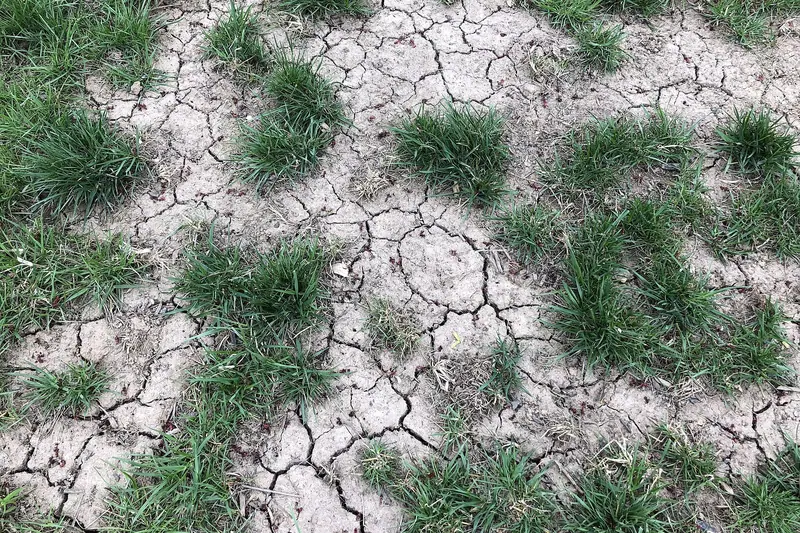 Chapter 31Slab leaks on Gulf Coast clayHow do I know if a pipe is leaking under my slab, and does the clay matter?
Slab leaks on Gulf Coast clay are hidden leaks in pipes under or within a concrete slab, and USDA soil data rates Wharton County's main soils high shrink-swell and very limited for slab houses.