Ground to 6 inches
Part I
Water in the yard
Water in the yard is the stage when there is still time. The river gauge at Wharton is rising, a storm is in the Gulf, or rain has filled the ditches, but nothing is inside yet. What you do here decides how much of the rest of this book you will need.
The eight chapters in this part cover how high water reaches a house on the lower Colorado, how to read the flood map for your lot, what the levee work will and will not change, and how to get drinking water, the well, the septic system and any generator ready before the yard turns brown.
 Chapter 1How high water reaches a houseWhere does flood water come from here, and how high can it get at my house?
High water reaches a Wharton County house in two ways: a river, creek or slough leaves its banks, or heavy rain falls faster than the ditches and storm drains can carry it off.
 Chapter 2Reading the flood map for your lotHow do I find out what flood zone my house is in, and what it means?
Reading the FEMA flood map starts with your address: the Flood Insurance Rate Map shows whether your lot sits in a high-risk zone such as A or AE, or a lower-risk zone X.
 Chapter 3The Wharton flood-protection projectWill the new levee keep my house from flooding, and when will it be done?
The Wharton levee project is a federal Corps of Engineers plan to wall off part of the city from the Colorado River, and it is built to lower flood risk, not to end it.
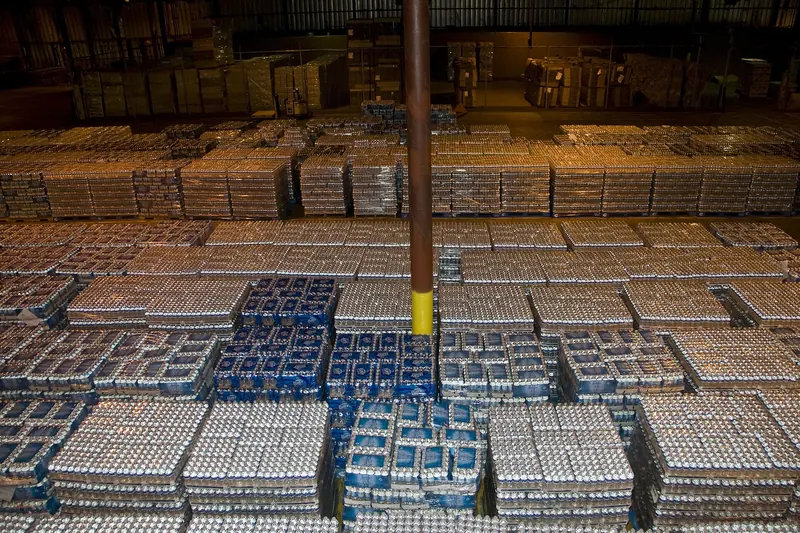 Chapter 4Storing water before a stormHow much water should we store before a hurricane, and how do we keep it safe?
Storing water before a hurricane means at least 1 gallon per person per day for 3 days, CDC says, and more in Gulf Coast heat, kept in clean food-grade containers away from sun and chemicals.
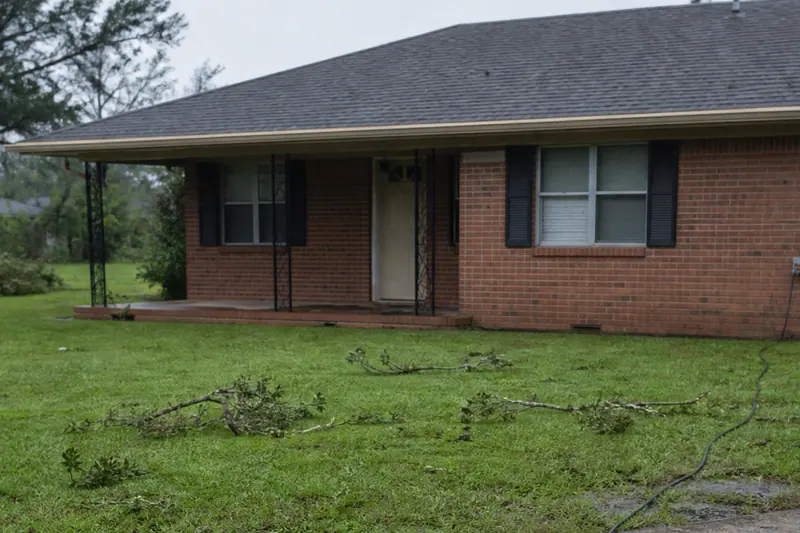 Chapter 5Generators, well pumps and the transfer switchHow do I run my well pump on a generator without poisoning anyone or frying the line?
A generator can run a well pump safely only through a transfer switch installed by a licensed electrician, with the generator outdoors at least 20 feet from doors, windows and vents.
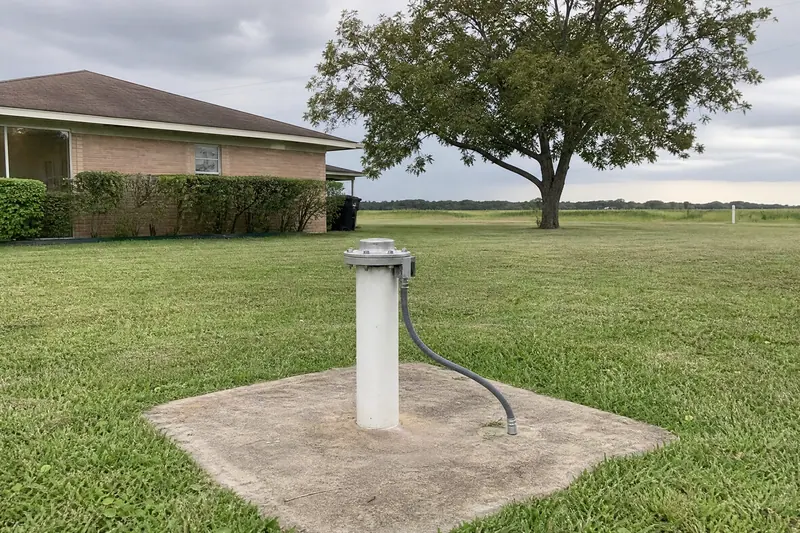 Chapter 6The wellhead before a stormWhat should I do to my water well before a flood or hurricane?
The wellhead before a storm needs a tight sanitary cap, a casing that stands above past flood levels and clear ground around it, because floodwater that gets in at the top reaches the water you drink.
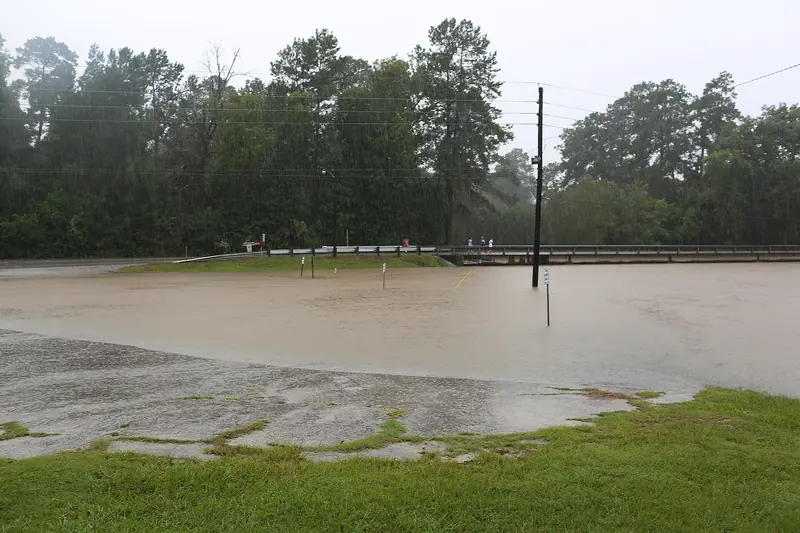 Chapter 7Septic systems when the ground is soakedWhat should I do with my septic system when the yard is flooded or waterlogged?
Septic systems in soaked ground stop draining because the drainfield soil is already full of water, so the answer is to send the system as little water as you can until the ground dries.
 Chapter 8Boil-water notices in Wharton CountyWhat does a boil-water notice mean for my house, and how long do I boil?
Boil-water notices in Wharton County are issued by your water system under state TCEQ rules when pressure or disinfection drops, and they mean boiling tap water for the time printed on the notice.